First Day of Preschool: How to Help Your Child Settle In
Child nervous about starting preschool? Practical ways to prepare, say goodbye and handle tears, plus stories that make the first day feel doable.
Starting preschool or daycare is a big step for a small child, and for you. It is normal to feel a lump in your throat at the door, and it is normal for your child to cry, cling, or say “I don’t want to go” the night before. This guide covers how to prepare in the weeks ahead, how to say goodbye, and how to make the first mornings easier for both of you.
Why the first day feels so big
For a child under five, preschool means a new place, new adults, new rules and several hours apart from the people who know them best. They cannot yet say “I’m nervous about the unknown,” so it comes out as tummy aches, tears, clinging or sudden bad moods. None of this means the school is wrong or your child is not ready. It means they are feeling a big change.
Before the first day: preparing step by step
- Talk about it early and simply. Start a week or two ahead. “Soon you will go to preschool. There are other children, toys and a teacher who will look after you. I will come back to get you.”
- Visit if you can. A walk past the building, a look at the playground or a short visit with the staff makes the place familiar.
- Practice the little things. Wearing a backpack, washing hands, putting on shoes, hanging up a jacket. Each small skill is one less worry on day one.
- Bring a comfort object. A small soft toy or a family photo in the bag helps many children feel connected to home.
- Move the routine forward. Start the morning schedule and earlier bedtime a few days before, so the first morning is not also a very early one.
Saying goodbye without drama
A short, warm and predictable goodbye works best. Crouch down, hug, say what will happen next (“I’m going to work, and I will come back after snack time”) and go. Long goodbyes and sneaking away both make things harder: lingering signals that there is something to fear, and sneaking off breaks trust. If your child cries, that is okay. Most children settle within minutes after you leave, and the staff can tell you how it went.
Keep the same ritual each day, such as a special wave at the window or a high five. Rituals give a small child something solid when everything else is new.
The first weeks
Expect ups and downs. Many children cope well for a few days, then protest on day five or after a weekend, when the novelty wears off. That is normal and does not mean you did something wrong. Keep the morning routine and the goodbye ritual exactly the same, stay friendly and keep your promise to pick up on time. If your preschool offers a gradual start, with shorter days at first, take it. Ask the staff how your child plays and eats during the day. Their report often reassures you more than your child’s tears at the door.
Evenings before and after
At bedtime the night before, keep things calm and ordinary. Pack the bag together, lay out clothes and read a story. After preschool, don’t fire off questions. Instead try “What was the best moment today?” or just cuddle and let them tell you when they are ready. Tired children often fall apart at home, so give them a quiet evening.
How stories help
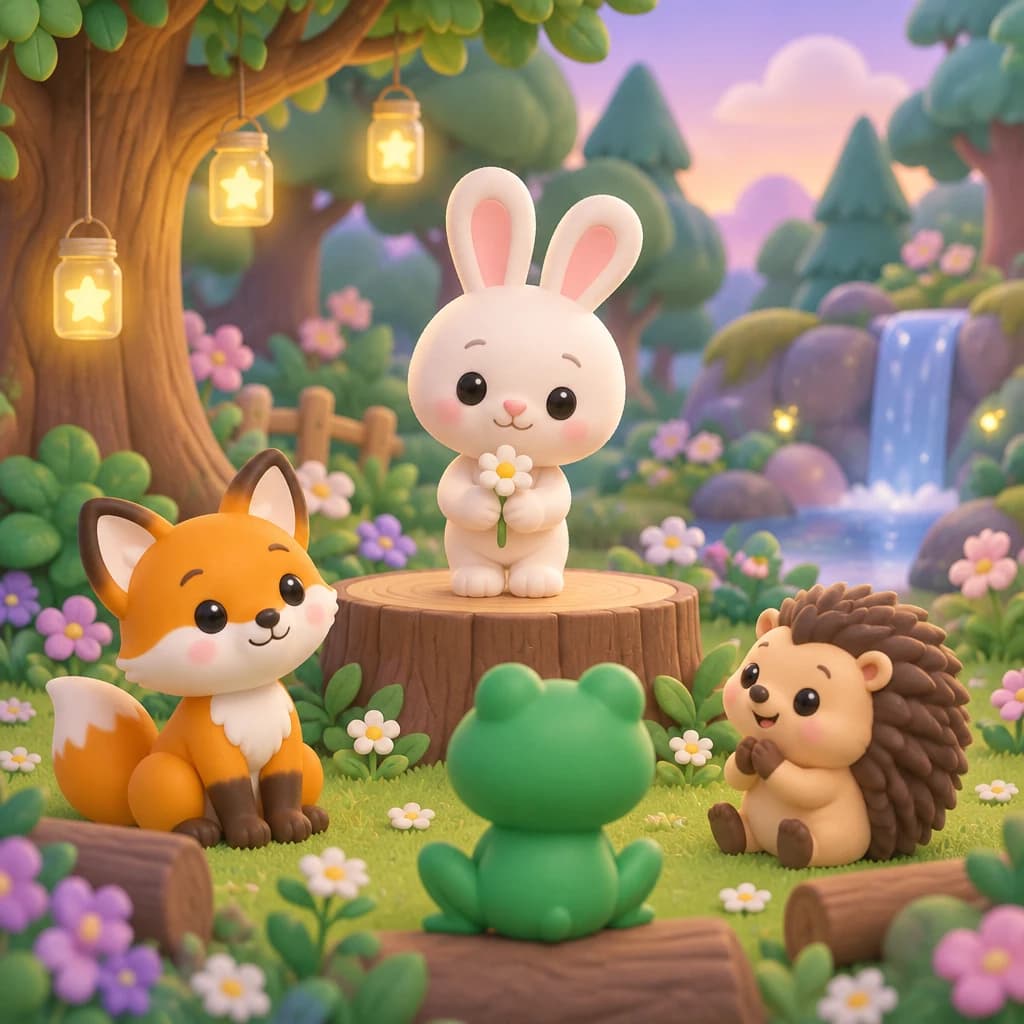
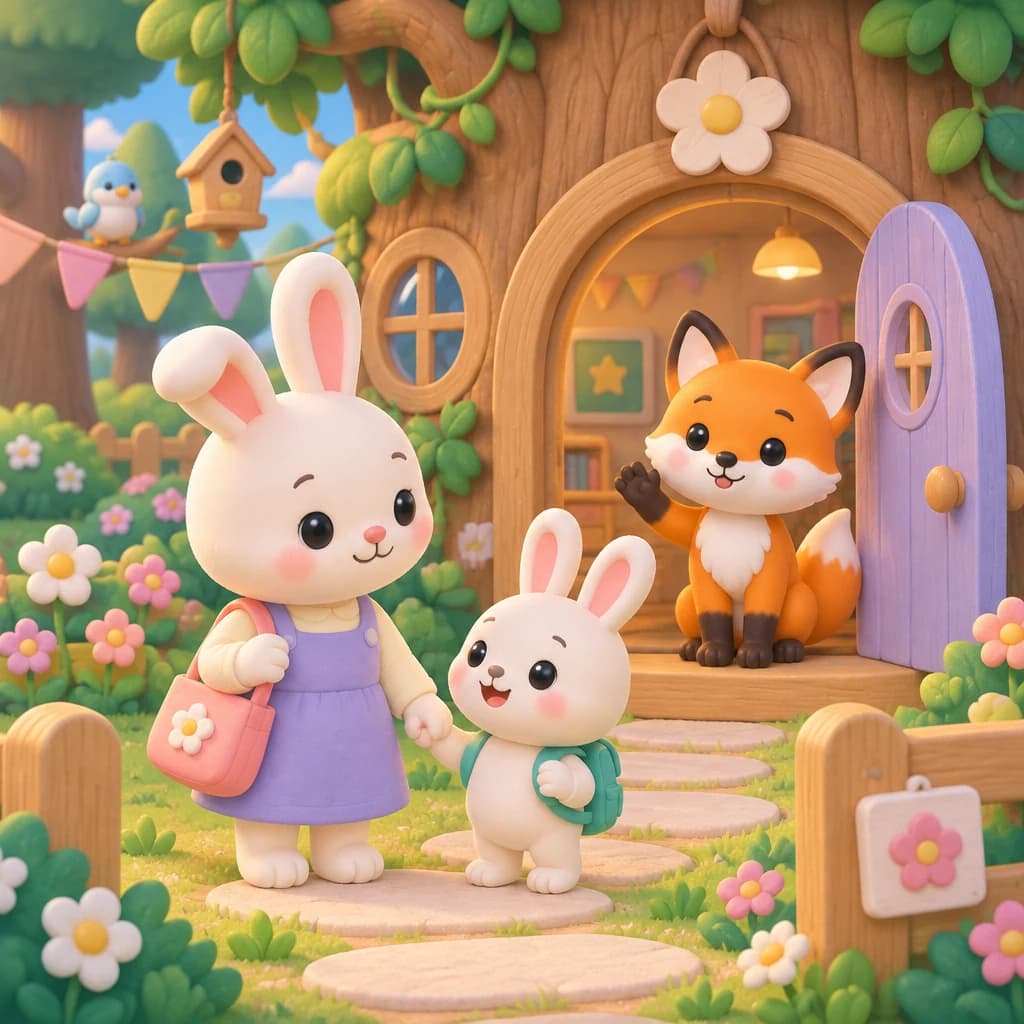
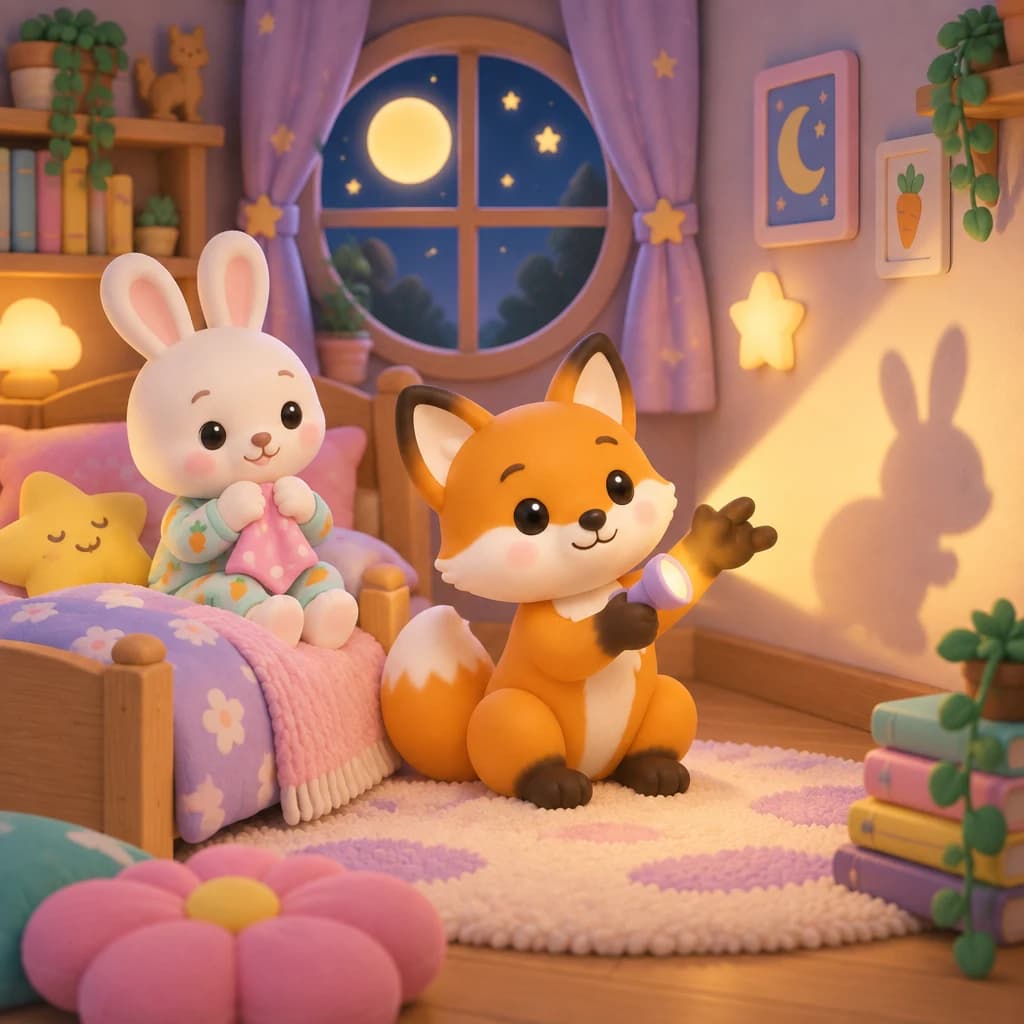
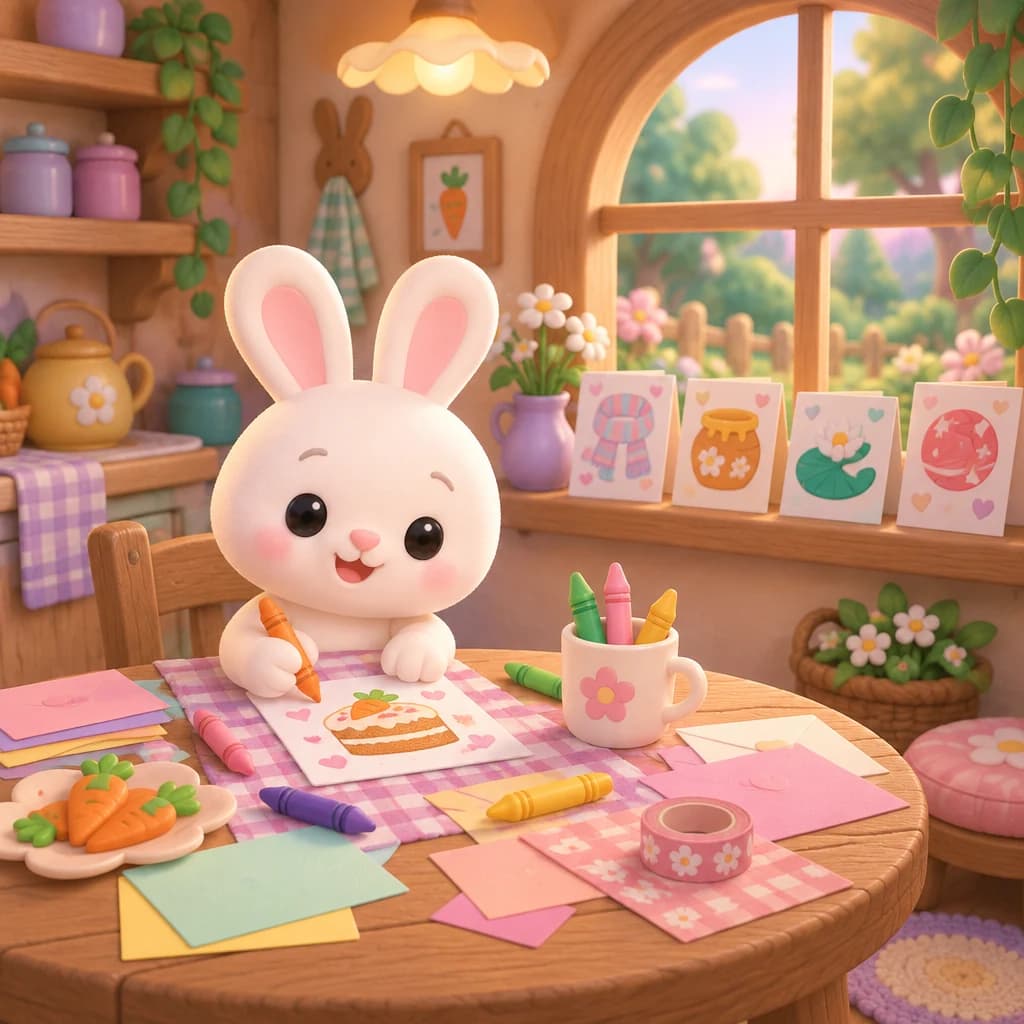
A story can show a child what a first day might be like, with feelings included. In Napmoon, First Day at Forest Preschool (ages 2–4, about 5 minutes) follows Hoppy the bunny, who holds his mother’s paw at the round door and wonders if anyone will play with him. Hoppy’s First Sleepover (ages 4–6) helps with missing home. Croaky Looks for a Friend (ages 2–4) is a short story about wanting to find someone to play with. For a shy child, The Bunny Who Was Afraid to Speak Up shows that courage can be small.
You can also create a story with your child’s own name. Choose “First day of preschool” as the topic, pick a world and a lesson such as courage, and your child becomes the hero who walks through the door and finds a friend.
What to avoid
- Telling your child there is “nothing to cry about.”
- Promising something you cannot keep, such as “I’ll be back soon” when it is not true.
- Comparing your child to others who “walked right in.”
- Showing your own worry at the door. Take a breath and let the tears wait until you are outside.
When to talk to someone
Most children adjust within a few weeks. If your child’s distress is very strong, goes on for many weeks without easing, or comes with changes in sleep, appetite or play, talk to the preschool team and your pediatrician or a child psychologist. Asking early is a sign of care, and the staff will want to help.
Stories on this topic

Common questions
How long does it take a child to settle into preschool?
Every child is different. Many settle within a couple of weeks, while others need a month or more. Ups and downs are normal, especially after a weekend or an illness.
Should I stay for a while on the first day?
Follow the preschool’s routine. If they offer a gentle start with a parent present, use it. When it is time to go, say a short, clear goodbye.
My child cries every morning at drop-off. Is that normal?
Yes, it is common. A short ritual and a calm tone help, and staff can tell you how long the crying lasts after you leave. If it does not ease over weeks, ask for advice.
Which stories help before the first day?
Try First Day at Forest Preschool for ages 2–4 and Hoppy’s First Sleepover for ages 4–6, and read them in the evenings a few days beforehand.
Can I make a story about my own child going to preschool?
Yes. In the app you can create a custom story with your child’s name, choose the topic “First day of preschool,” and add a lesson such as courage or empathy.