Toddler Tantrums and Anger: How to Help a Child Calm Down
How to respond when your child has tantrums or big anger: what to say, how to stay calm, and how stories and routines help kids ages 2–8.
Few things test a parent like a full tantrum in the supermarket or an angry shout at bedtime. If your child has meltdowns, you are not doing something wrong. Strong feelings are part of growing up, and most children between two and six have them often. This guide explains what is going on in a young child’s mind, what to do in the moment and how to build calm into everyday life.
What is happening in a tantrum
Young children feel feelings fast and strongly, but the part of the brain that helps with calming down is still being built. When a child is angry, they are not choosing to be difficult. They are overwhelmed. They want something, cannot have it, and have no words for how that feels. A tantrum is the leftover energy having to go somewhere.
Tiredness, hunger, a rushed morning, a new routine or a big transition can all make meltdowns more likely. Many tantrums happen at the end of the day, when a child has held it together for hours.
In the moment: what to say and do
- Stay calm yourself. This is the hardest step and the most useful. Take a slow breath. Lower your voice. Your calm is contagious.
- Keep everyone safe. Move your child away from danger, put down anything that could be thrown and stay close.
- Name the feeling in a few words. “You’re so angry. You wanted the red cup.” Don’t explain, argue or bargain while the storm is at its peak.
- Offer a safe way to let it out. Stamping feet, squeezing a pillow, big breaths, or “let’s roar like a lion.” Teach it when your child is calm, and practice together.
- Wait, then connect. When the crying winds down, offer a hug or a quiet moment. This is when your child can hear you.
- Hold the limit kindly. “I know you’re upset. Hitting is not okay. I won’t let you hurt anyone.” Feelings are always allowed, but actions have limits.
Afterwards: talk when it is calm
Hours later, or at bedtime, you can say: “Remember when you felt so angry at the shop? What helped? What can we try next time?” Keep it short and kind. Children learn emotional skills from repetition, not from one big talk.
A calm-down habit for bedtime
Evening is when many children finally let go of the day’s feelings, so bedtime can bring tears or anger that has nothing to do with bedtime itself. A short calming ritual helps: dim lights, three slow breaths together (smell the flower, blow out the candle), a cuddle and one story. Keep it the same every night. When your child can predict the end of the day, there is less to fight about.
Prevention: calmer days
- Predictable routines reduce surprises. Warn before transitions: “In five minutes we’ll put on our shoes.”
- Offer small choices. “Blue cup or green cup?” Choices give a small person a sense of control.
- Watch the basics. A snack and a quiet moment before a tricky time of day can prevent a lot of anger.
- Notice the good moments. Praise when your child handles frustration, even a little.
How stories help
Stories let children watch anger from the outside. In Napmoon, Spike the Hedgehog and the Angry Storm (ages 4–6, about 5 minutes) shows a small dark cloud that appears over Spike’s head when he is angry, and Rusty teaches him to breathe in through the nose like smelling a flower, and out through the mouth like blowing out a candle. Spike and the Pinecone Tower (ages 2–4, about 3 minutes) is a short story about a tower that keeps falling, and Croaky Puffs Up Like a Balloon (ages 2–4) is a funny one about being in a huff. Spike Waits His Turn (ages 4–6) is about waiting without letting anger win, and Spike and the Prickly Words (ages 6–8) is about saying sorry.
If your child’s anger has a specific trigger, you can create a story with their name. Choose “Anger and meltdowns,” pick a lesson like patience, and read it before bed. When a child hears about “their” character, they often try the same breathing the next day.
What to avoid
- Punishing a child for having the feeling.
- Giving in just to end the tantrum. It teaches that tantrums work.
- Shaming: “Look how silly you are.”
- Long lectures in the middle of a meltdown.
When to seek advice
Tantrums peak around ages two to four and usually ease as language grows. If your child has very frequent, very long or very intense outbursts, often hurts themselves or others, or the anger continues strongly into school age, talk to your pediatrician or a child psychologist. They can look at the whole picture and support you.
Stories on this topic
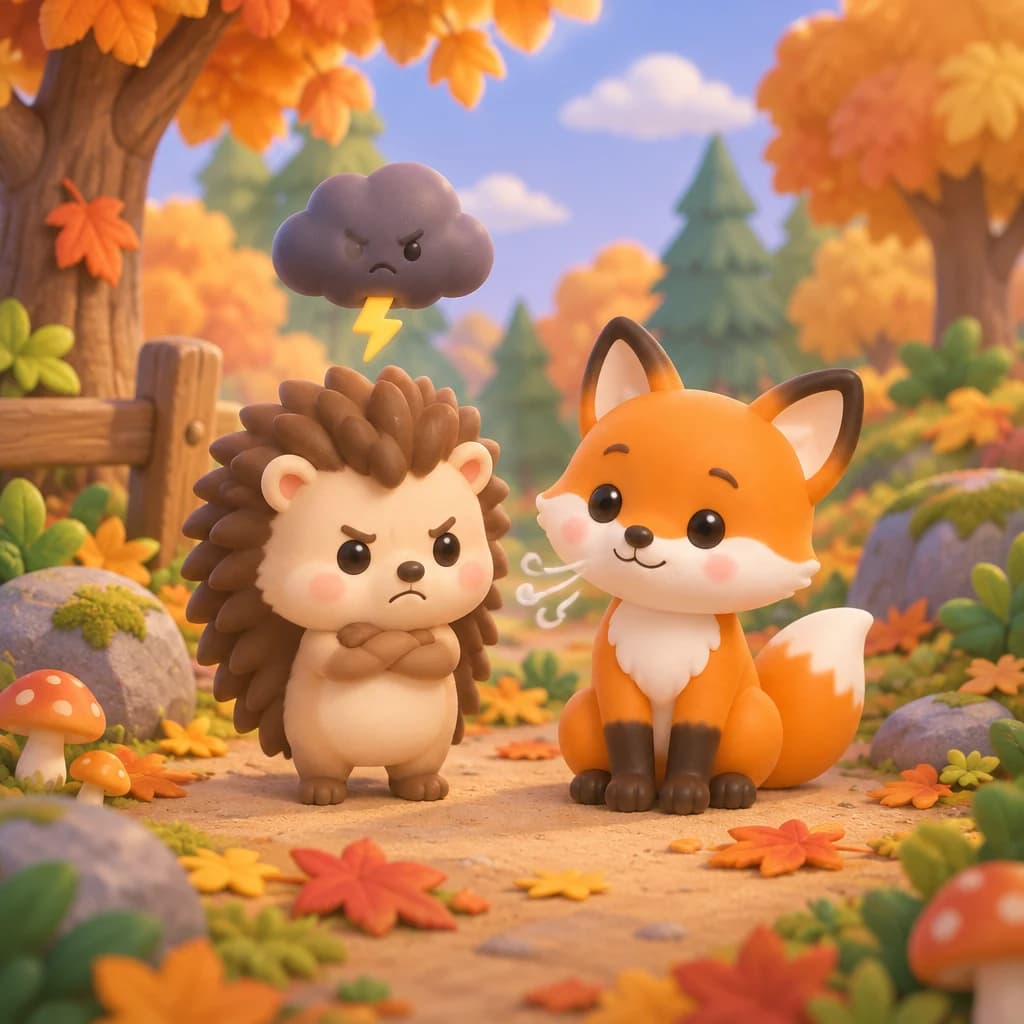 Free
Spike the Hedgehog and the Angry Storm
Ages 4–67 min read
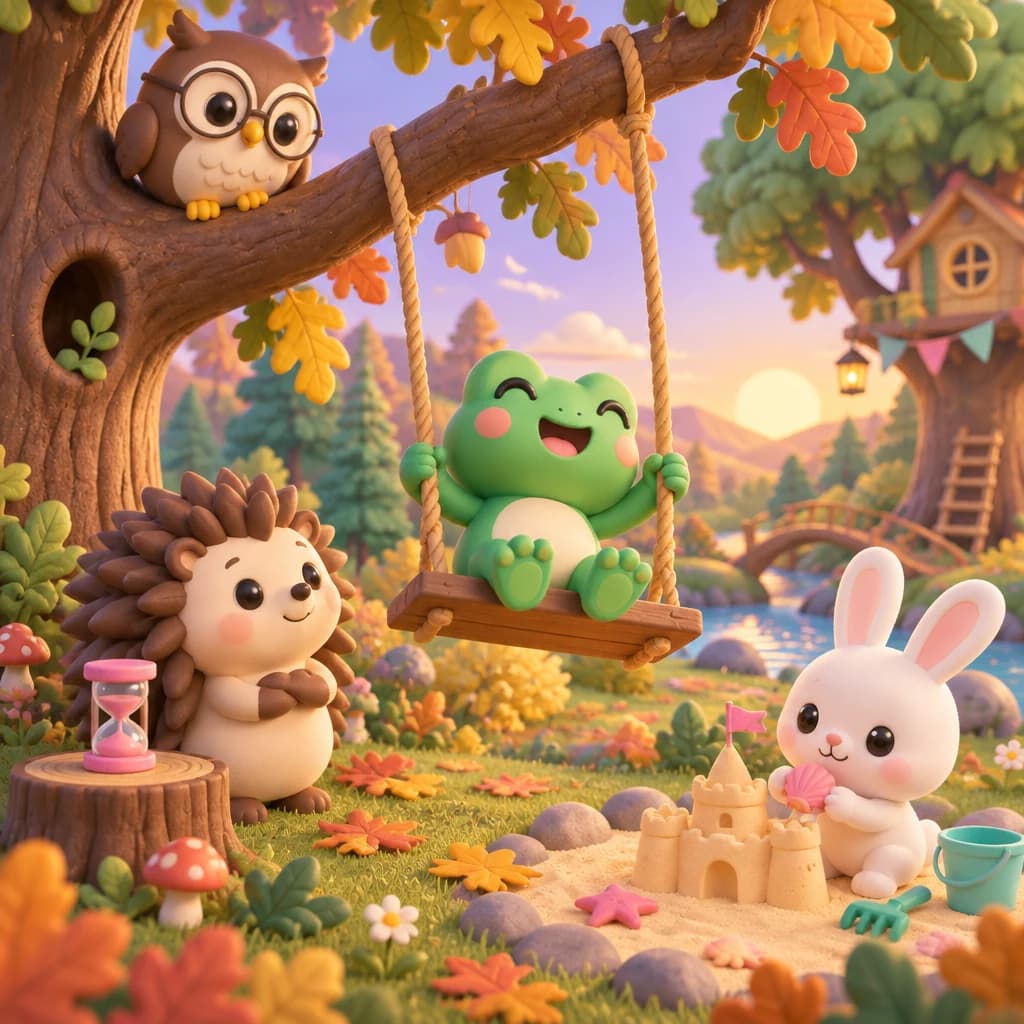
Spike Waits His Turn
Ages 4–67 min read
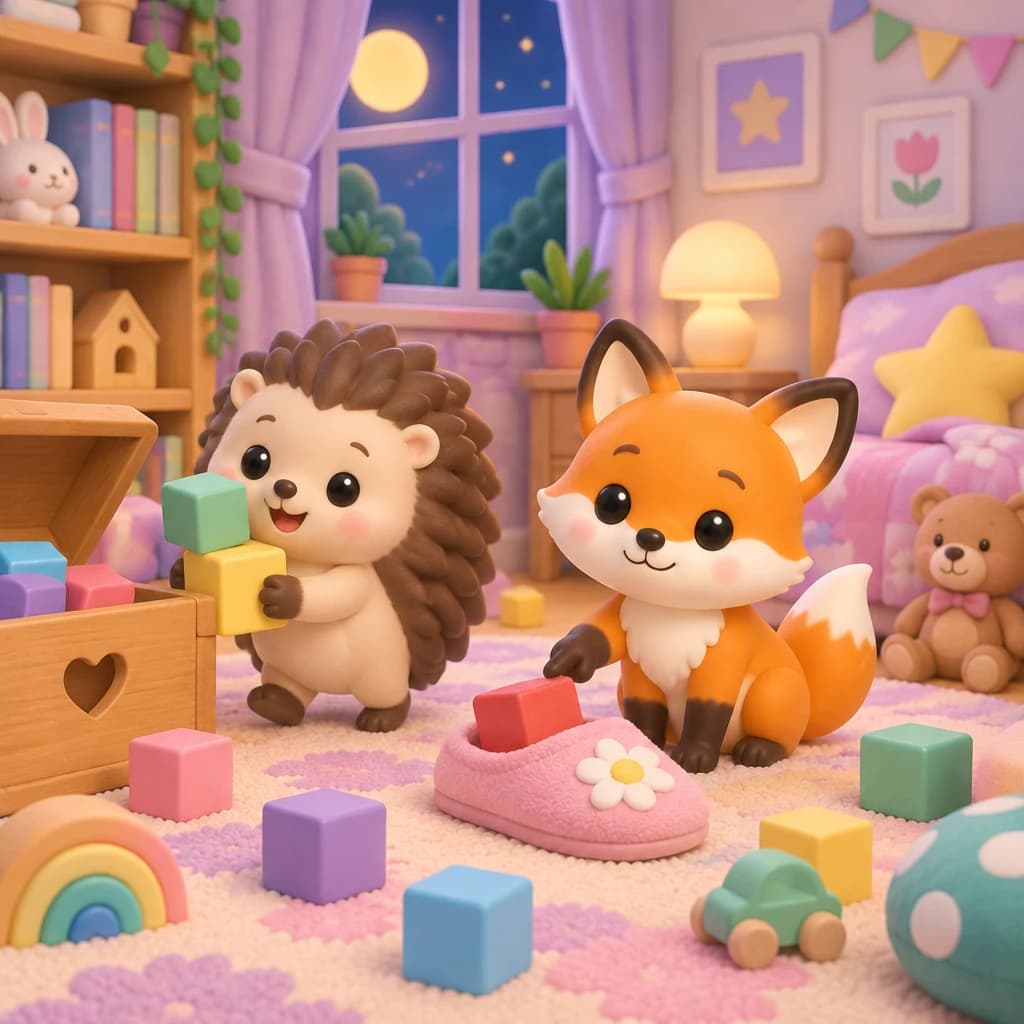
Spike Tidies Up His Blocks
Ages 2–44 min read
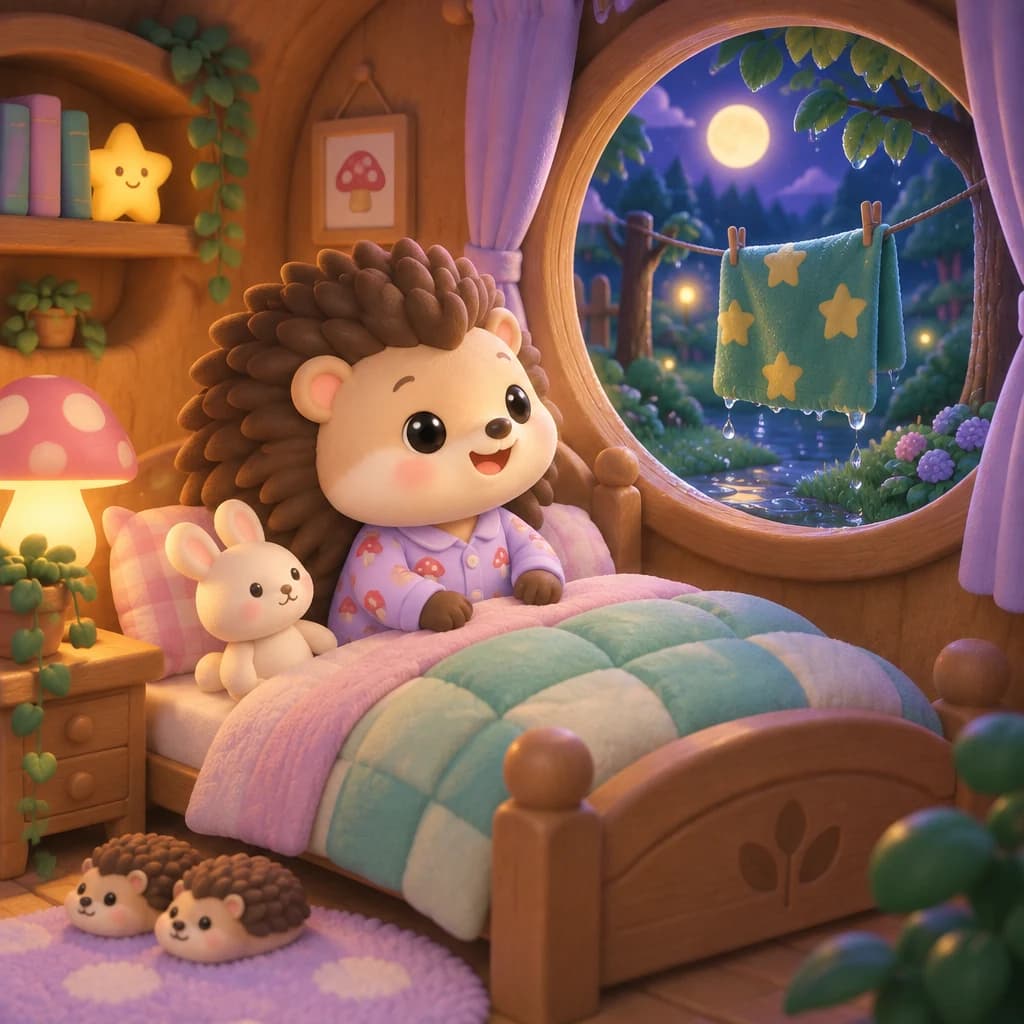
Spike and the Wet Blanket
Ages 2–44 min read

Croaky Puffs Up Like a Balloon
Ages 2–43 min read

Spike and the Pinecone Tower
Ages 2–43 min read

Rusty and the Race to the Old Oak
Ages 4–67 min read

Spike and the Prickly Words
Ages 6–89 min read

Spike and the Red Bike
Ages 6–89 min read
Common questions
Are tantrums normal for a 2 or 3 year old?
Yes. Tantrums are very common between ages 2 and 4, when children want independence but have few words and little self-control. They usually become less frequent as language and patience grow.
What should I do during a tantrum in public?
Stay calm, keep your child safe and, if possible, move to a quieter spot. Keep your words few and kind. You do not need to explain yourself to onlookers.
Should I ignore a tantrum?
You do not need to ignore the child, but you can ignore the loudness. Stay near, stay calm and wait until the storm passes. Then offer a hug and talk about it later.
How can I teach my child to calm down?
Practice when things are calm: slow breathing, squeezing a pillow, counting to ten. Stories like Spike and the Angry Storm give a gentle way to rehearse these tools.
Why are tantrums worse at bedtime?
Tiredness lowers a child’s patience, and bedtime means separation. A calm routine, dimmer lights and a story can make the evening easier.