Teaching a Child to Share: What Works at Each Age
Toddler won’t share? Why “mine!” is normal, how to teach sharing and taking turns at ages 2–8, and stories that make it easier. Practical, kind steps.
“Mine!” may be one of the first words your child says loudly, and it can make a playground visit feel like a negotiation. If your toddler grabs, refuses to hand over a toy or melts down when another child picks up their truck, take heart. Sharing is a skill that develops slowly, and it grows best with patience, practice and good examples. This guide explains what is realistic at each age and how to teach it kindly.
Why sharing is hard for young children
Under about three, children are still discovering that they are separate people with their own wants. A toy is a part of “me,” and handing it over can feel like losing something. Waiting is hard too, because a minute is a very long time for a toddler. Real sharing needs several skills at once: understanding another person’s feelings, waiting and trusting that the toy will come back. Those skills develop at different speeds.
What to expect by age
- Ages 1–2: parallel play. Children play next to each other, not with each other. Grabbing is normal.
- Ages 2–3: “mine” is at its peak. Taking turns can start with adult help.
- Ages 3–5: children begin to understand turns, trading and fairness, and they can share for short moments.
- Ages 5–8: sharing becomes a social skill. Children care about being fair and can handle waiting, negotiating and offering.
How to teach sharing, step by step
- Don’t force it. Making a child hand over a toy right away teaches them that sharing means losing. Instead allow them to finish a turn: “You can have it until the sand runs out. Then it’s Maya’s turn.”
- Use turns, with a visual cue. A sand timer, a song or counting to ten makes waiting concrete.
- Teach words. “Can I have a turn, please?” and “I’m still playing, you can have it next.” Practice at home with toys or stuffed animals.
- Name feelings on both sides. “You’re sad because you wanted the ball. Sam is happy because he’s playing with it. When he’s finished, it’s your turn.”
- Have special things that are not shared. A favorite blanket or toy can stay at home on playdates. That makes it easier to share everything else.
- Model sharing. Let your child see you share, in small ways: “Would you like some of my apple?” Children copy what they see.
- Praise the effort. “You waited so patiently. That was hard, and you did it.”
At playdates and at home
Put away the most precious toys before friends arrive. Offer duplicate items when you can, and have a few activities that can be shared, like building blocks, play dough or drawing. With siblings, give each child something that is clearly theirs, and use a timer for the things that belong to both.
An evening sharing ritual
Bedtime is a good moment to look back on the day without pressure. Ask “What was something kind you did today?” or “Who did you take turns with?” Even a small answer, such as “I let Leo have the red spade,” is worth celebrating. If the day included a grabbing moment, talk about it softly: “What could you say next time?” End with a cuddle and a story, so the last feeling of the day is warm rather than critical.
How stories help
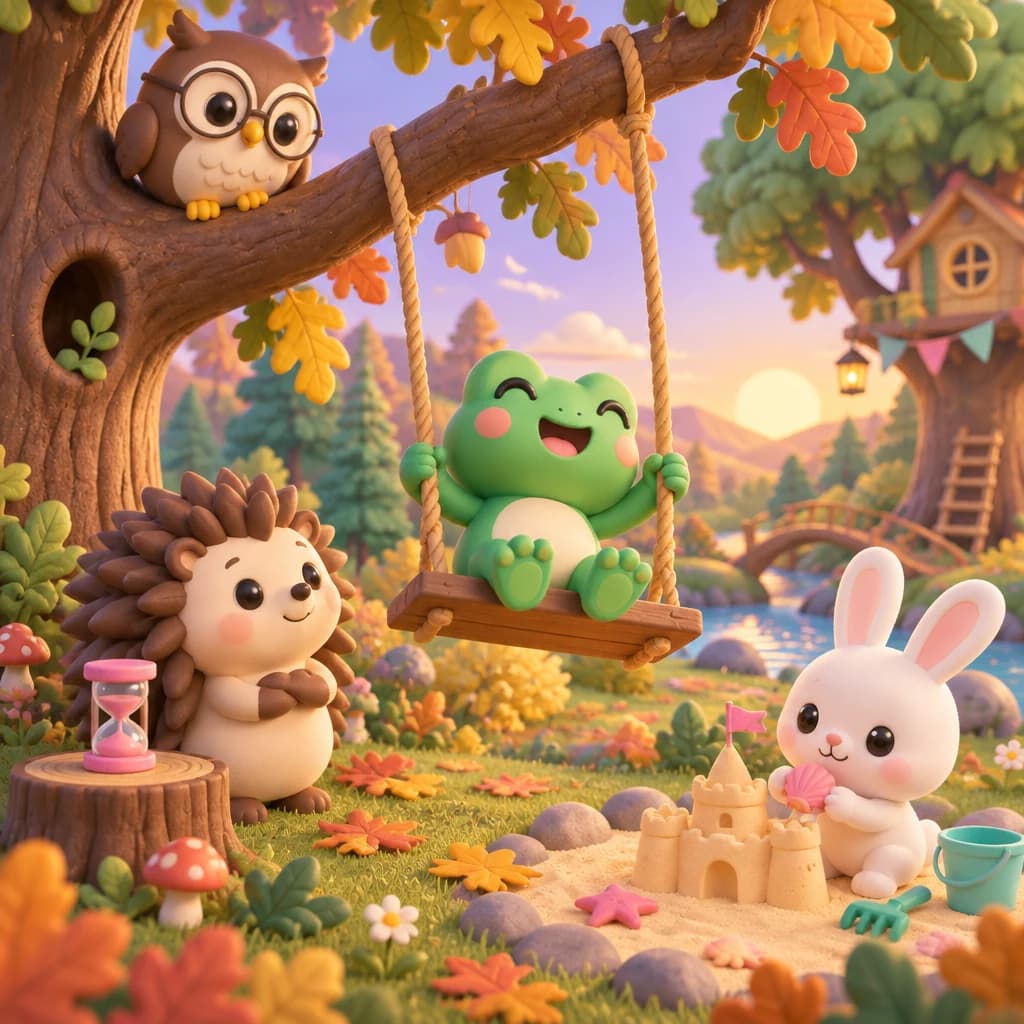
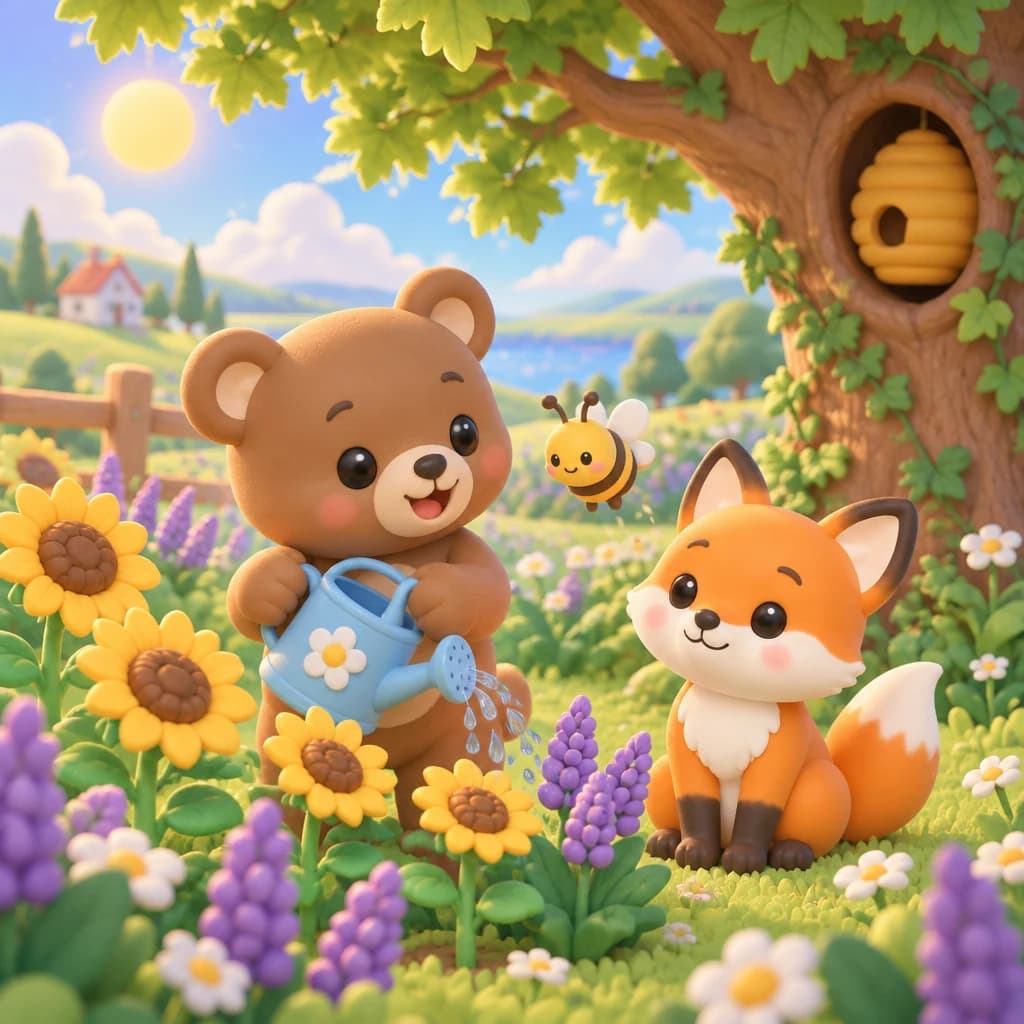
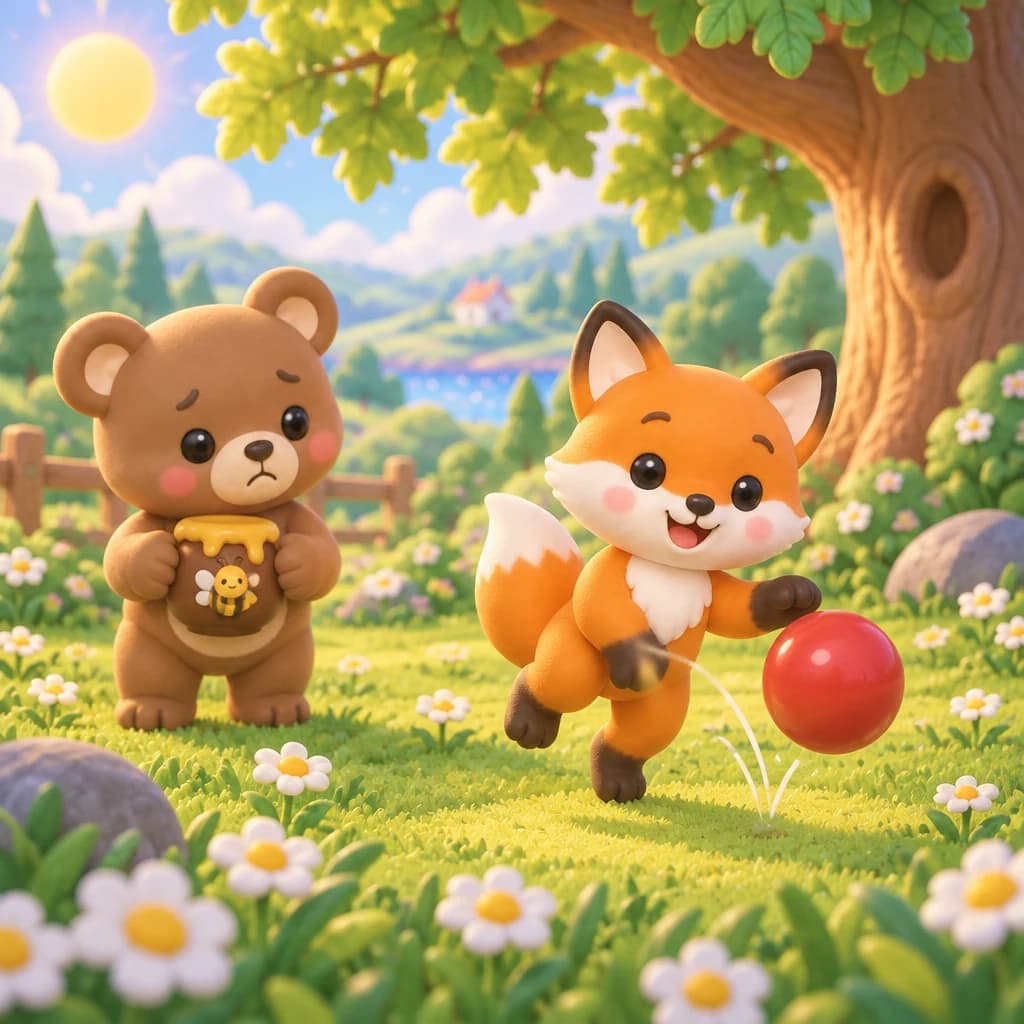
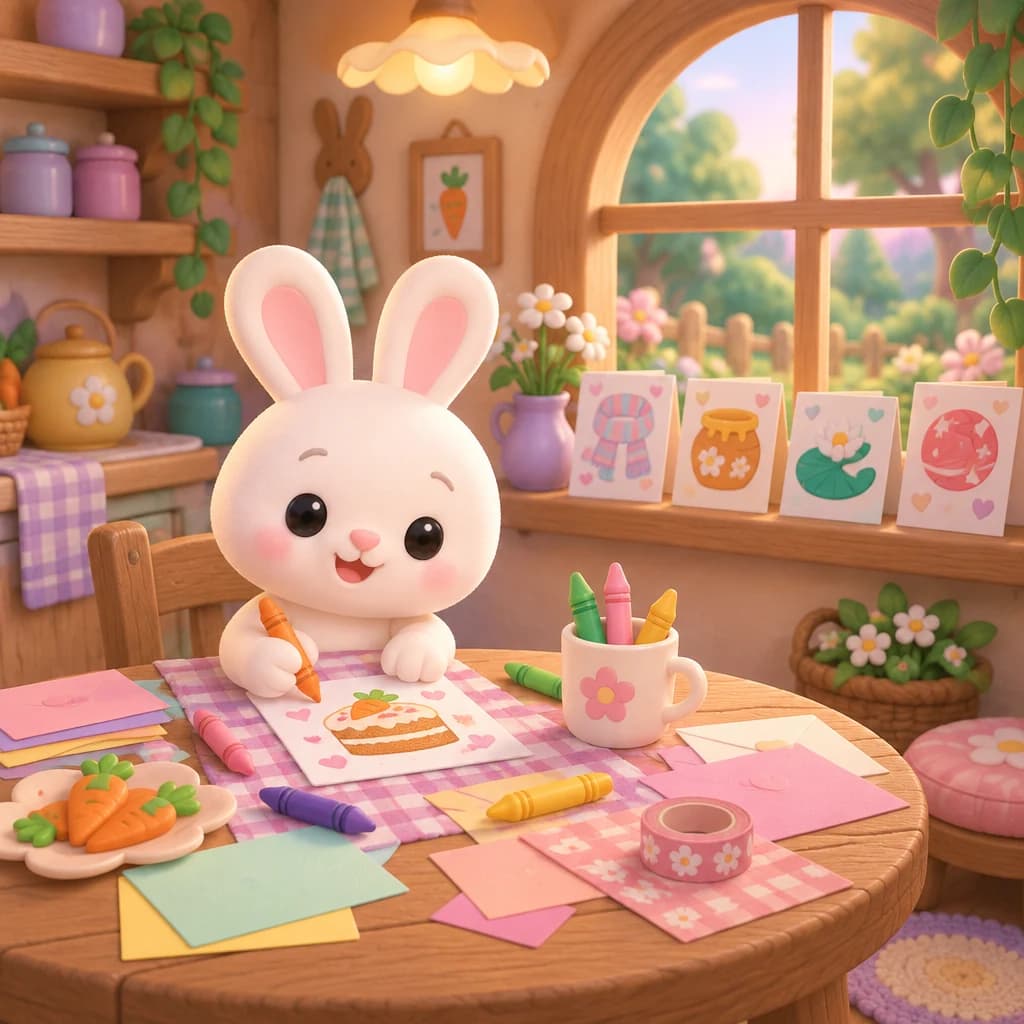
Stories show sharing and waiting in a way that does not feel like a lecture. In Napmoon, Spike Waits His Turn (ages 4–6, about 4 minutes) shows Spike the hedgehog at the swing while Croaky is still swinging. He counts, he gets a hot tummy, and Hootie gives him an hourglass and a clever idea: do something nice while you wait. Toby and the Red Ball (ages 4–6) is about the prickly feeling when a friend has something you want. Croaky Looks for a Friend (ages 2–4) is a gentle story about playing together.
You can also create a story where your child is the hero. Type in their name, choose “Sharing” as the topic and a lesson such as empathy, and let the story show them how good it can feel to take turns. Read it a few evenings in a row and see what your child says next time at the playground.
What to avoid
- Calling a child “selfish.” It labels instead of teaching.
- Forcing a child to share everything, always. Children also need to learn that their things are respected.
- Comparing siblings or friends: “Look how nicely she shares.”
- Expecting too much too early. A two-year-old who hands over a toy for ten seconds is doing well.
When to ask for advice
Difficulty with sharing is common and usually eases with age and practice. If your child often hurts others when they cannot have what they want, avoids playing with other children, or the problem continues strongly after the age of five, talk to the preschool team, your pediatrician or a child psychologist.
Stories on this topic

Common questions
At what age do children start to share?
Short moments of sharing can appear around age 2 to 3, usually with a lot of adult help. Real turn-taking and fairness develop between about 3 and 5 and keep growing into the school years.
Should I make my child share their toys?
It is better to teach turns than to force sharing. Let your child finish a turn, set a timer and keep a few special toys that are not shared.
How do I handle a child who grabs toys from others?
Calmly stop the grab, give the toy back and say, “You wanted a turn. Let’s ask.” Teach the words and practice often. Grabbing usually fades as language grows.
What if another parent expects my child to share everything?
You can say kindly, “She’s still learning to take turns, and she’ll be done soon.” Children do not owe every toy to every other child.
Which stories help children learn to share and wait?
Try Spike Waits His Turn and Toby and the Red Ball for ages 4–6, and consider creating a custom story in the app about sharing with your child’s name.