Stories About Feelings for Kids: Anger, Sadness and More
Gentle stories about feelings for kids ages 2–8. Spike’s anger, Rusty’s sad day and Toby’s envy help children name big emotions and talk about them.
 Free
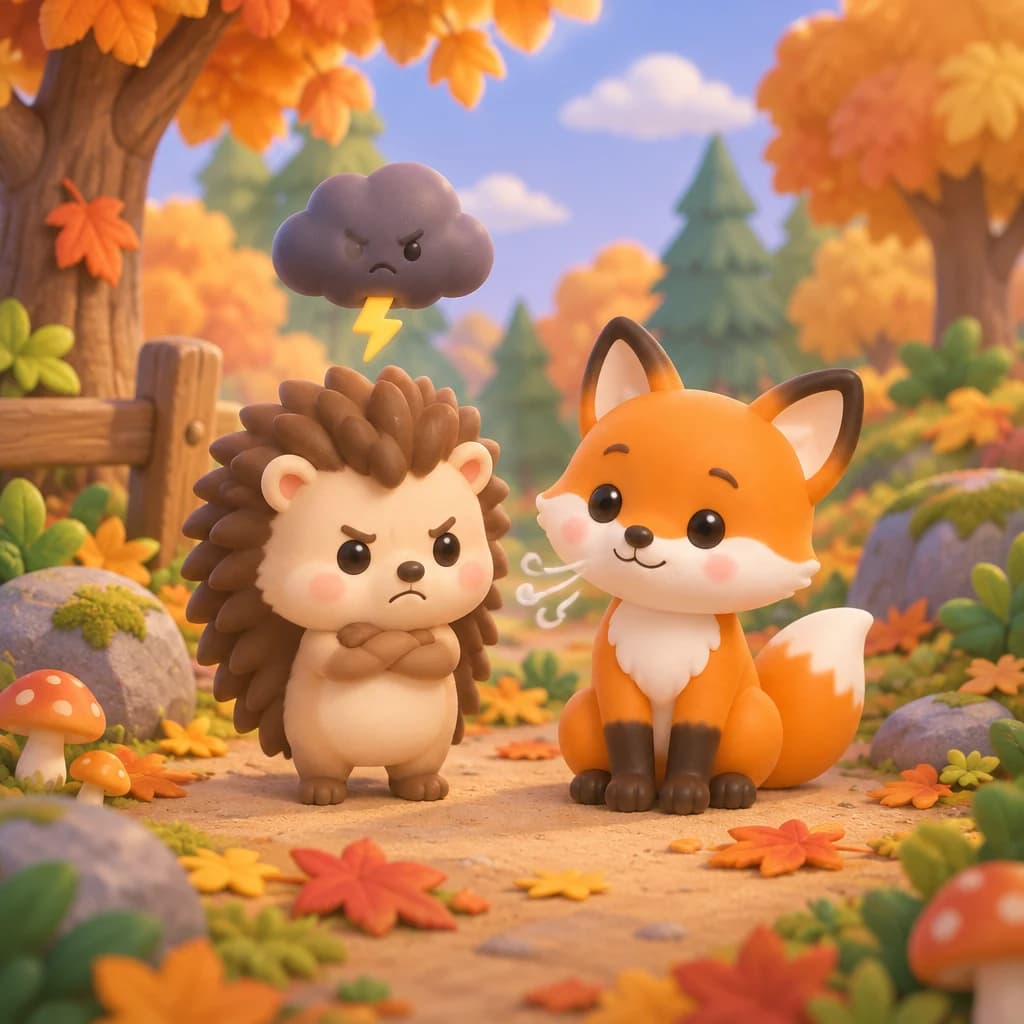
Spike the Hedgehog and the Angry Storm
Ages 4–67 min read
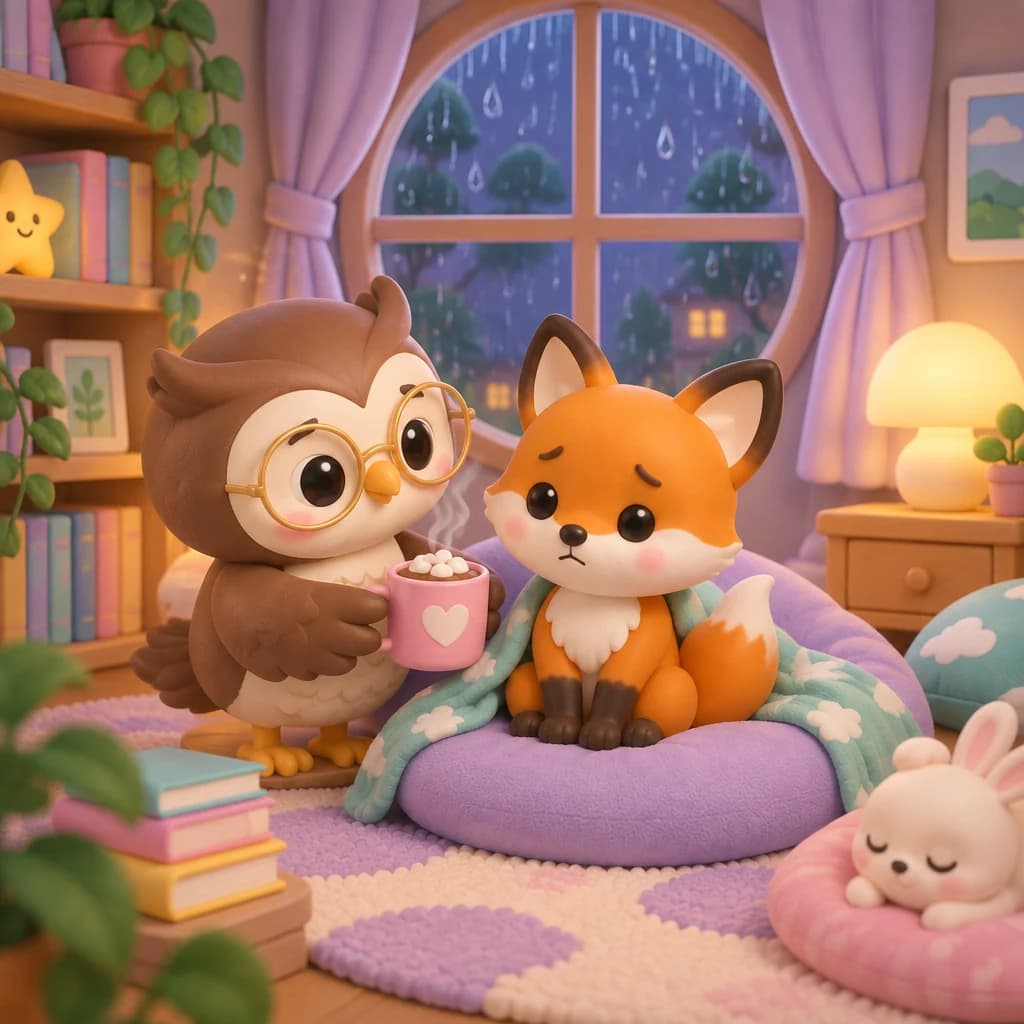
When Rusty Felt Sad
Ages 4–67 min read
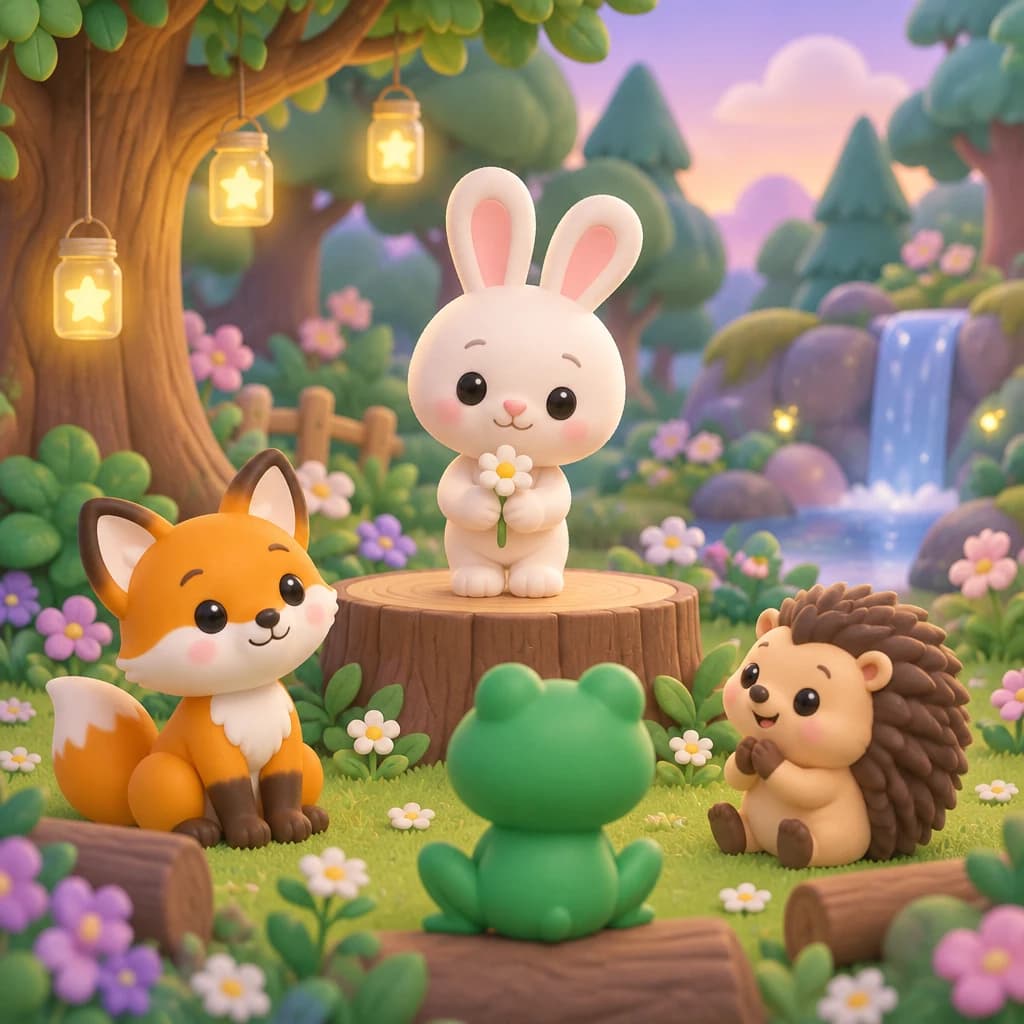
The Bunny Who Was Afraid to Speak Up
Ages 4–67 min read
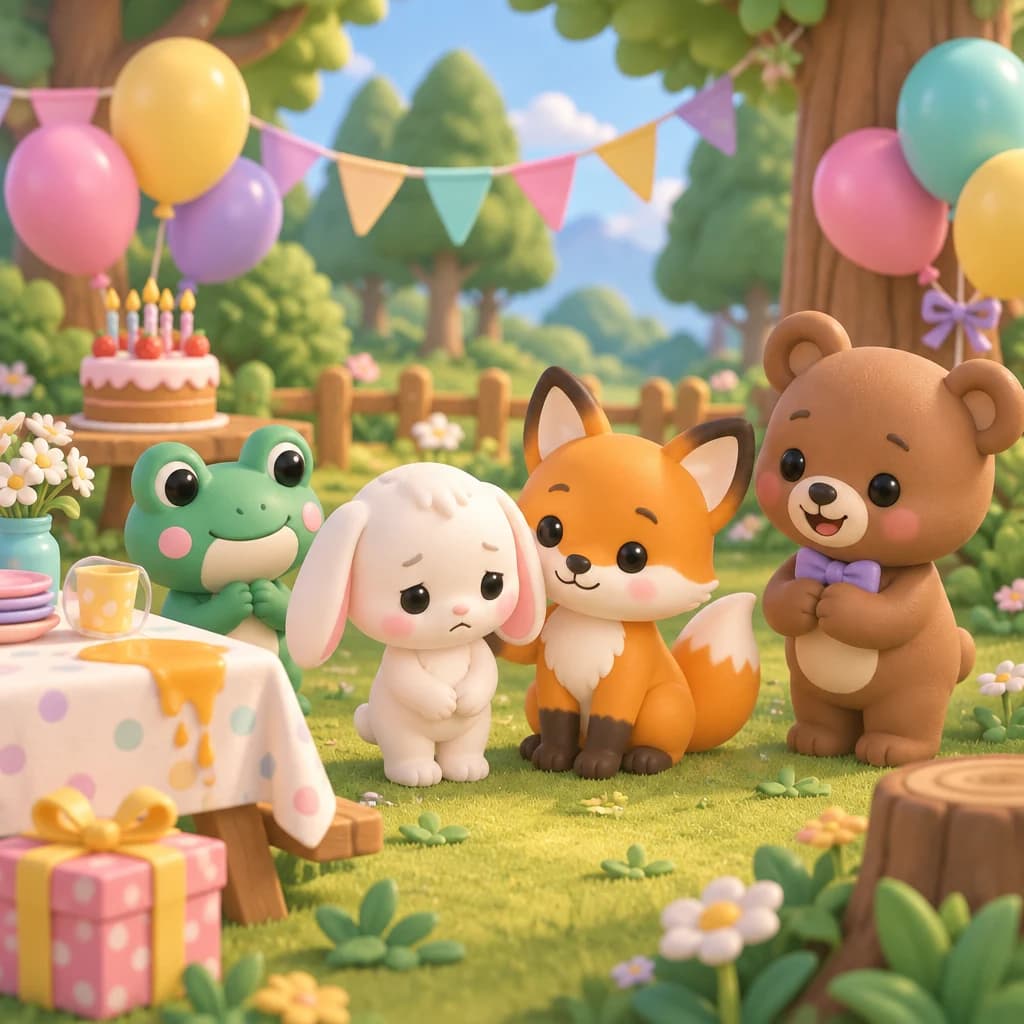
Hoppy and the Spilled Juice
Ages 4–67 min read
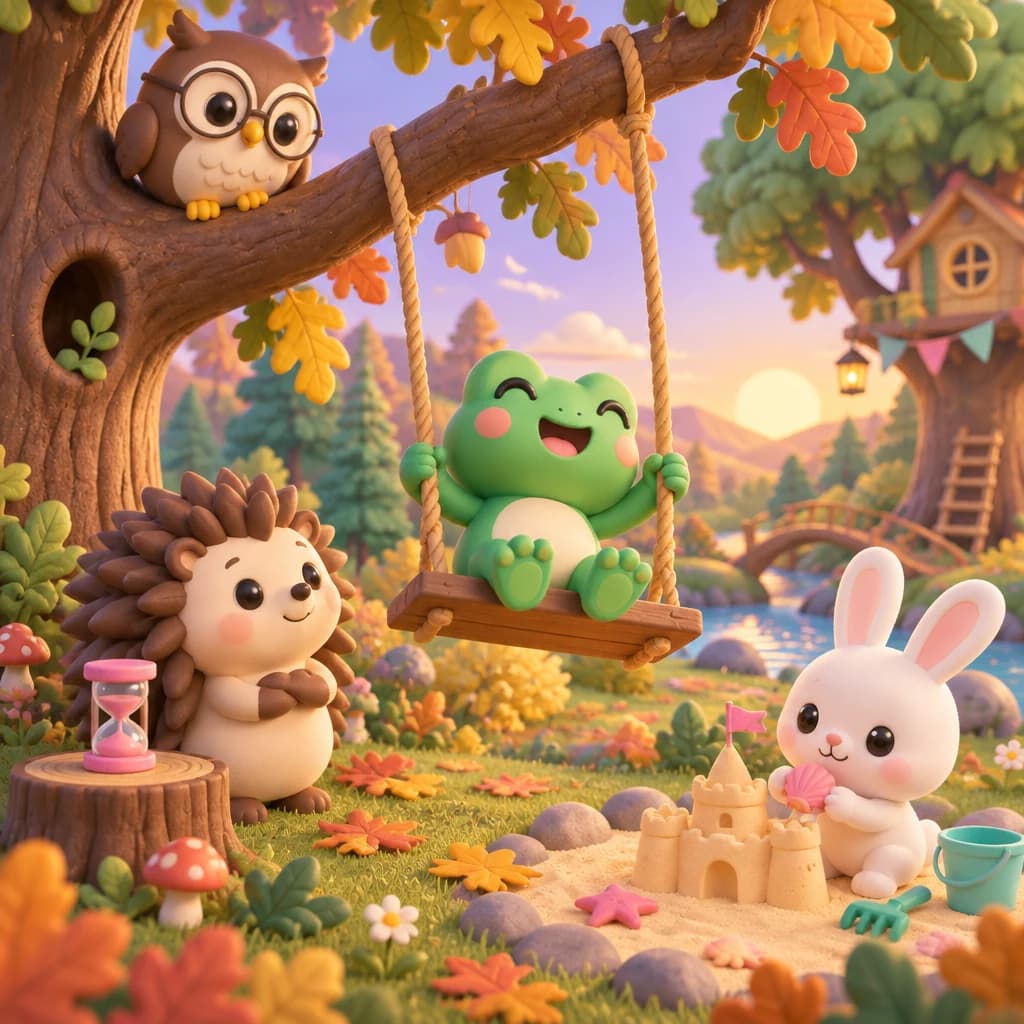
Spike Waits His Turn
Ages 4–67 min read
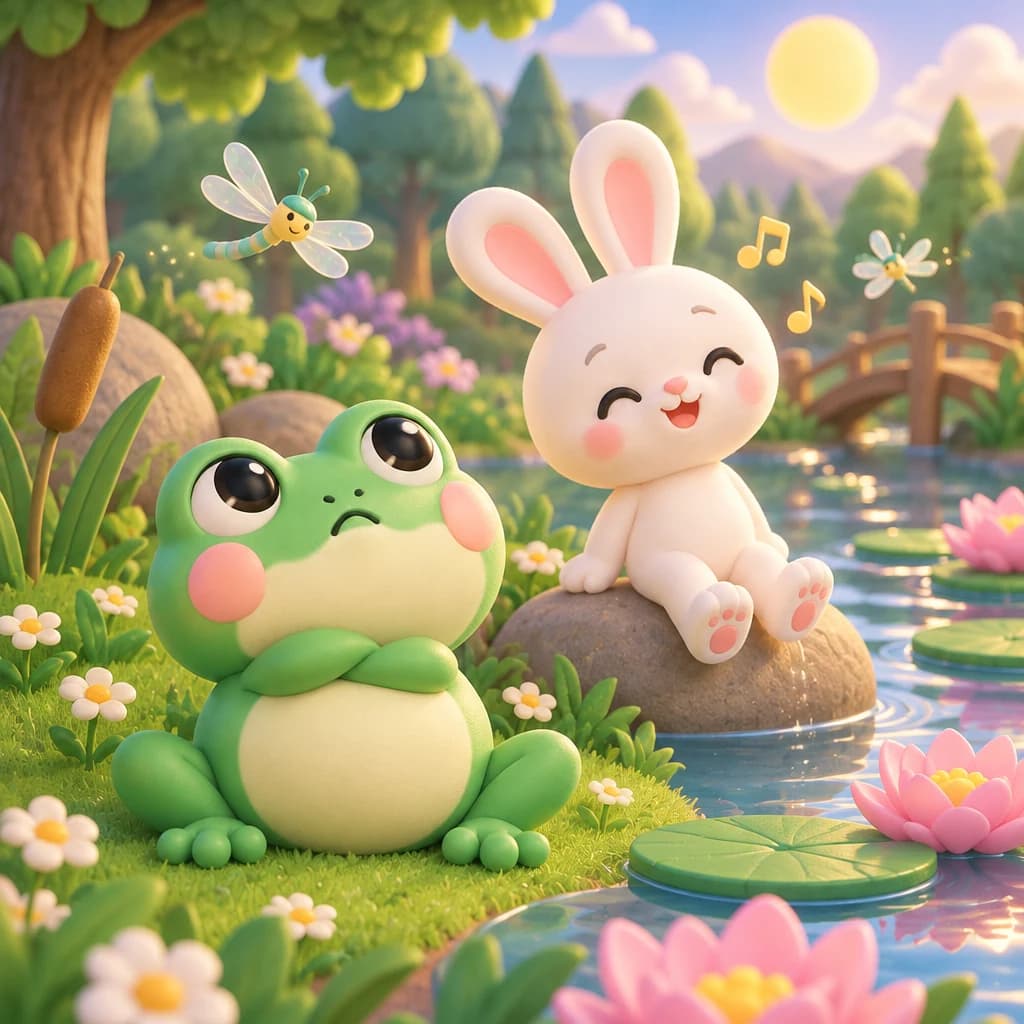
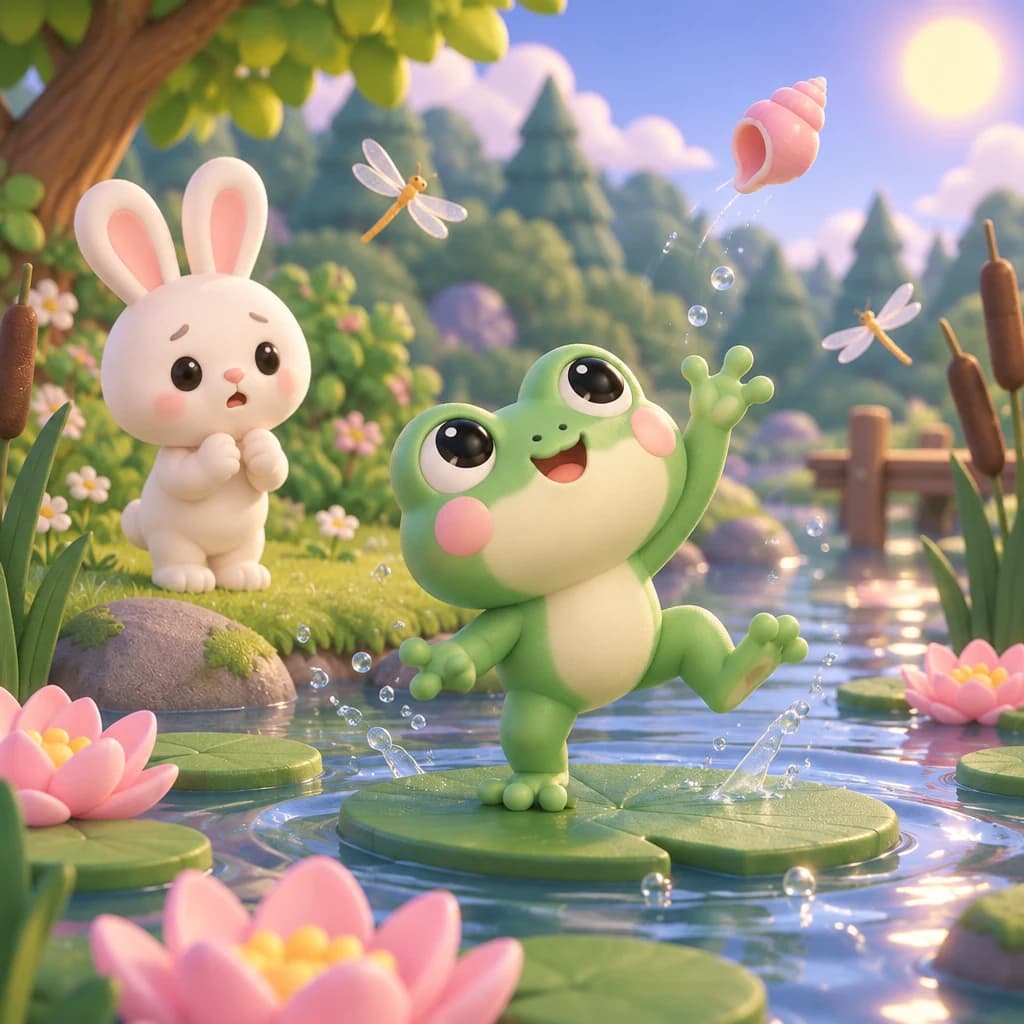
Croaky Puffs Up Like a Balloon
Ages 2–43 min read
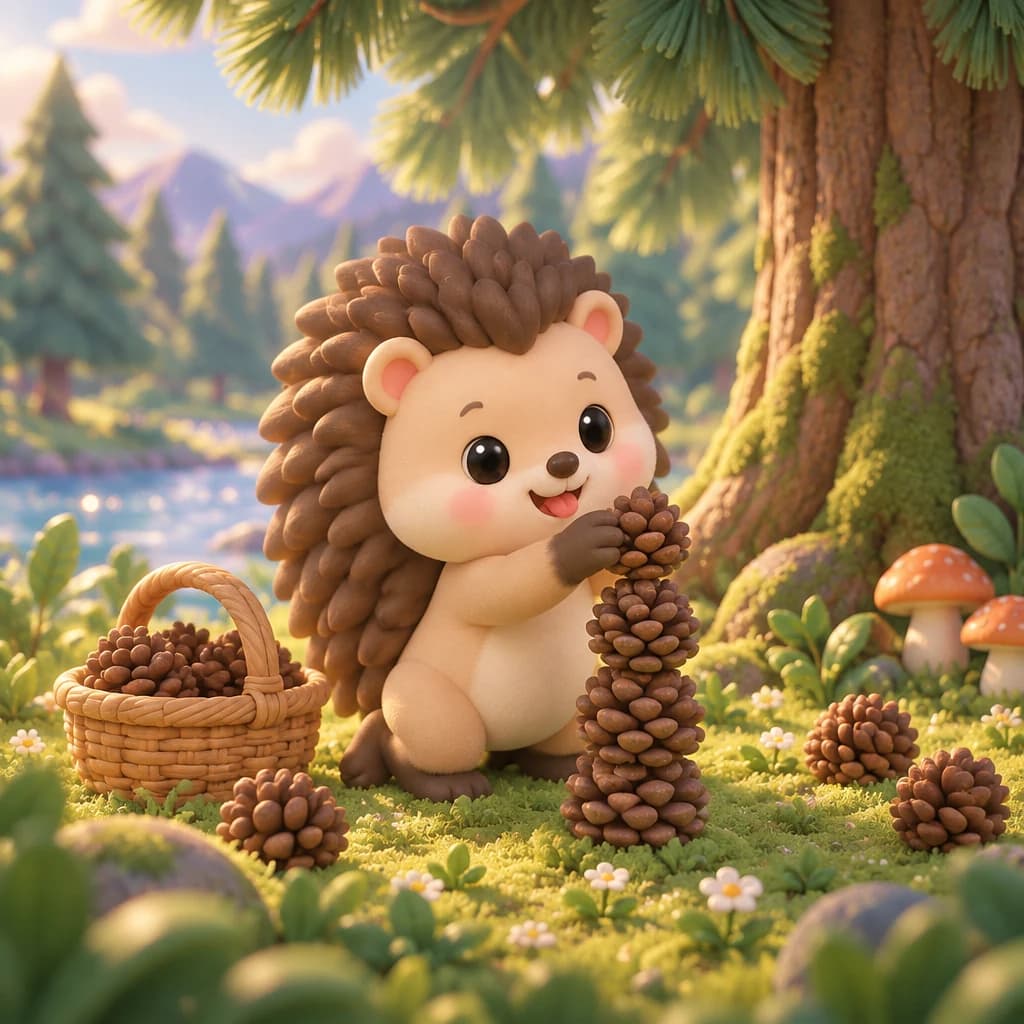
Spike and the Pinecone Tower
Ages 2–43 min read
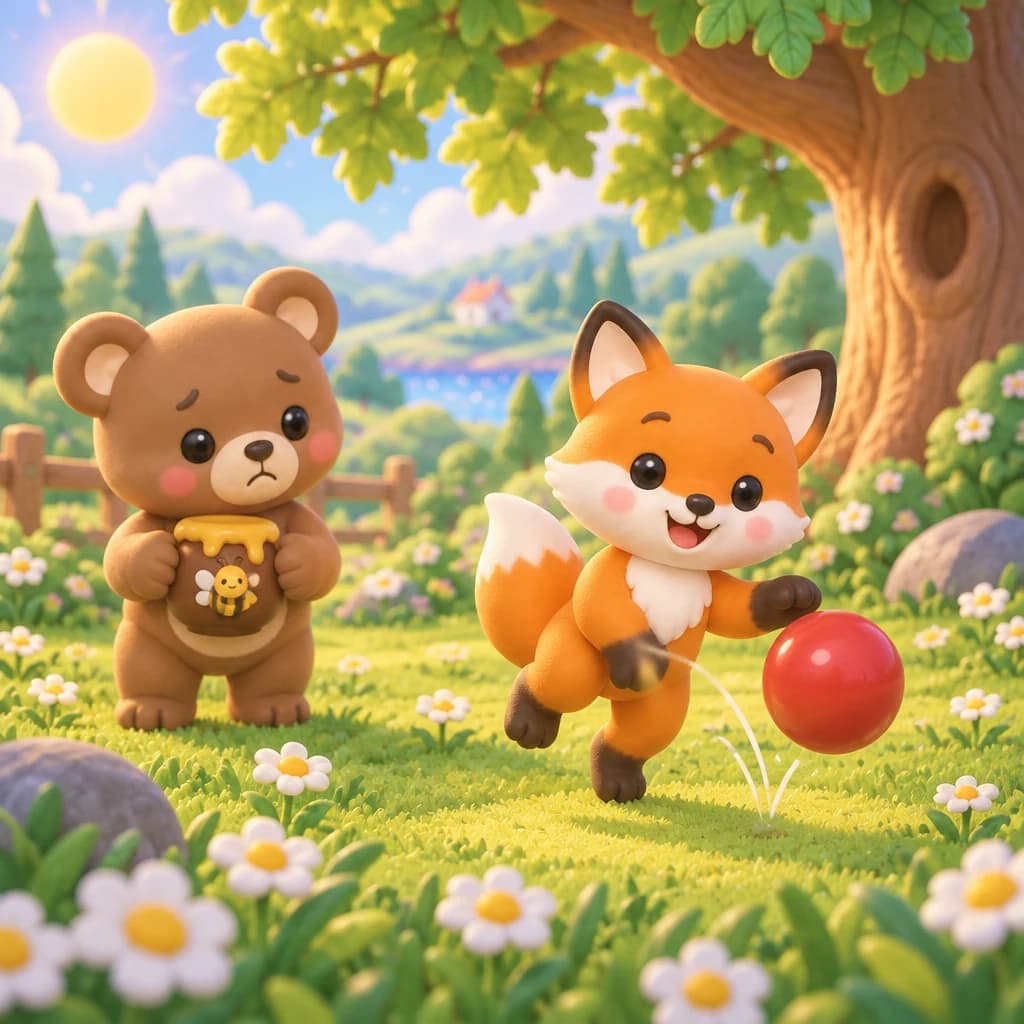
Toby and the Red Ball
Ages 4–67 min read
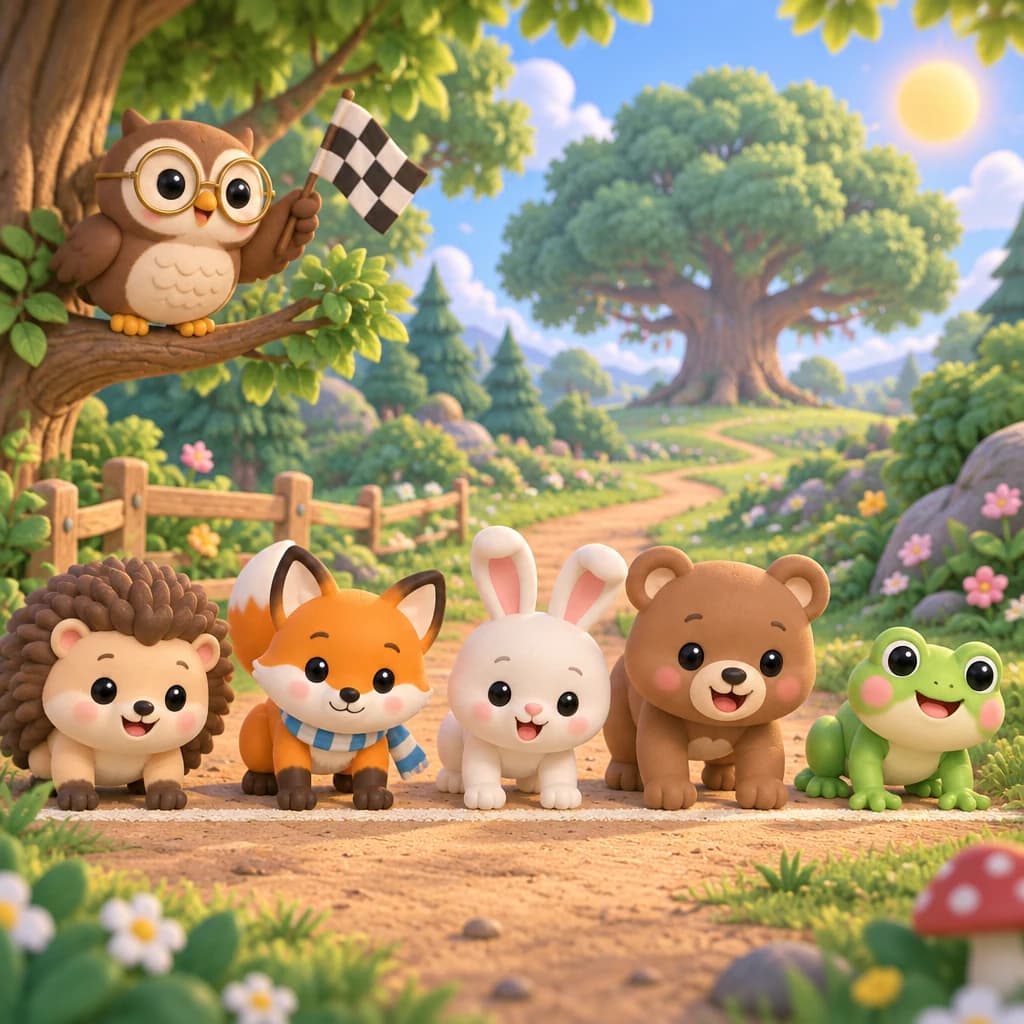
Rusty and the Race to the Old Oak
Ages 4–67 min read
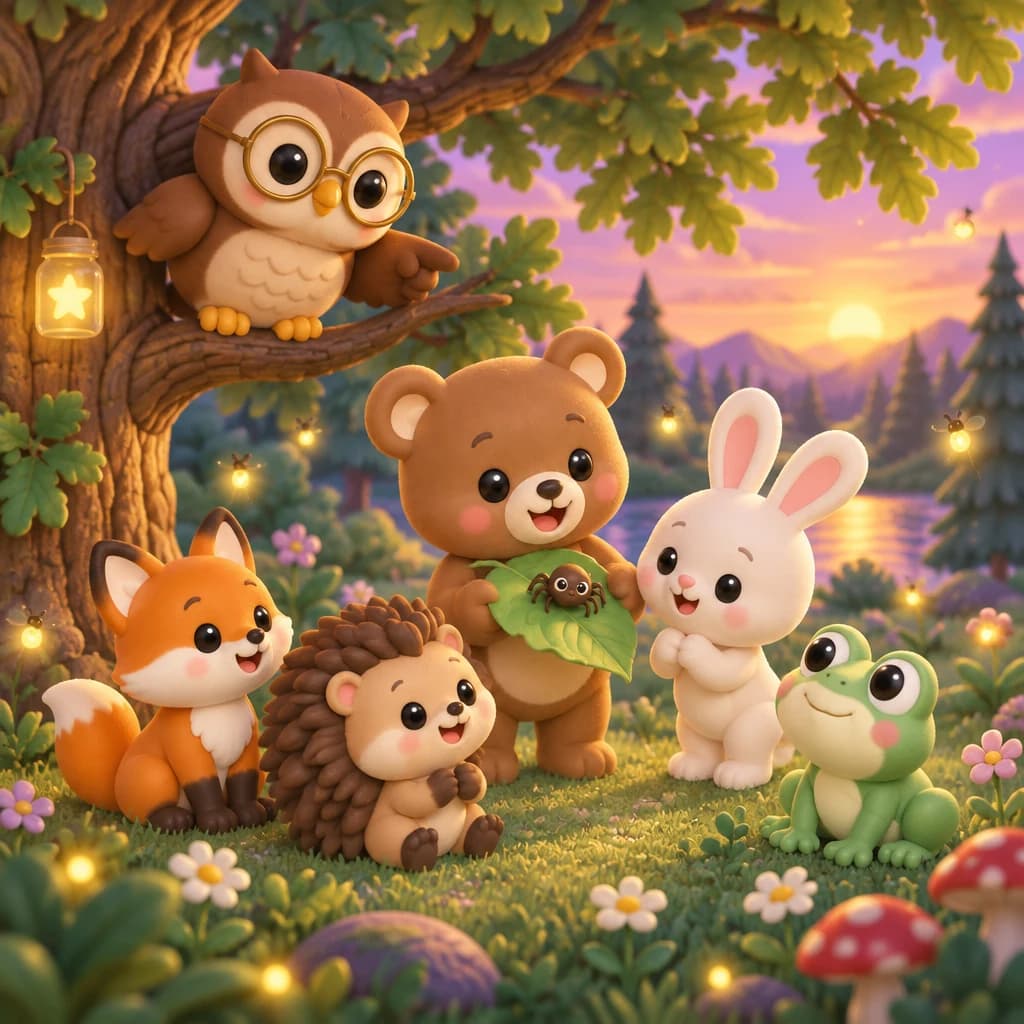
When Hootie Got It Wrong
Ages 6–89 min read
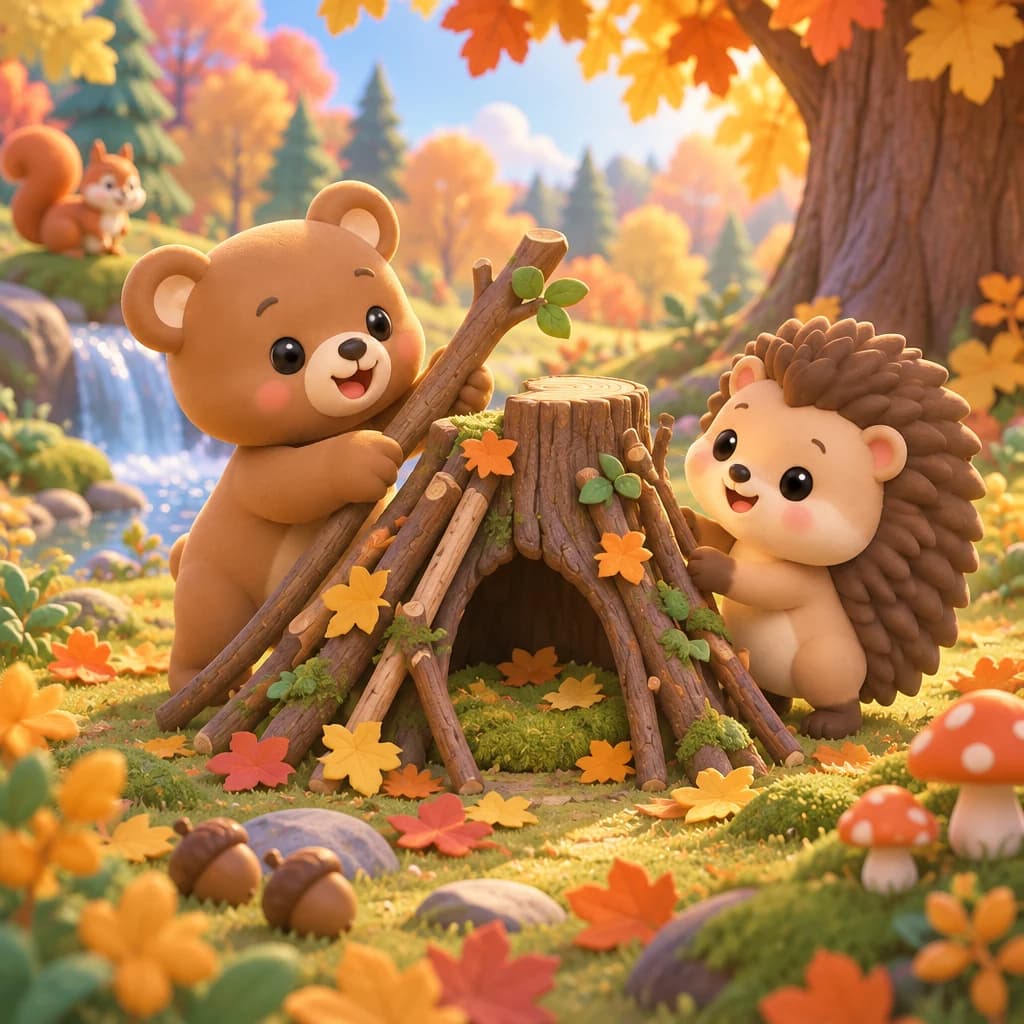
Spike and the Prickly Words
Ages 6–89 min read
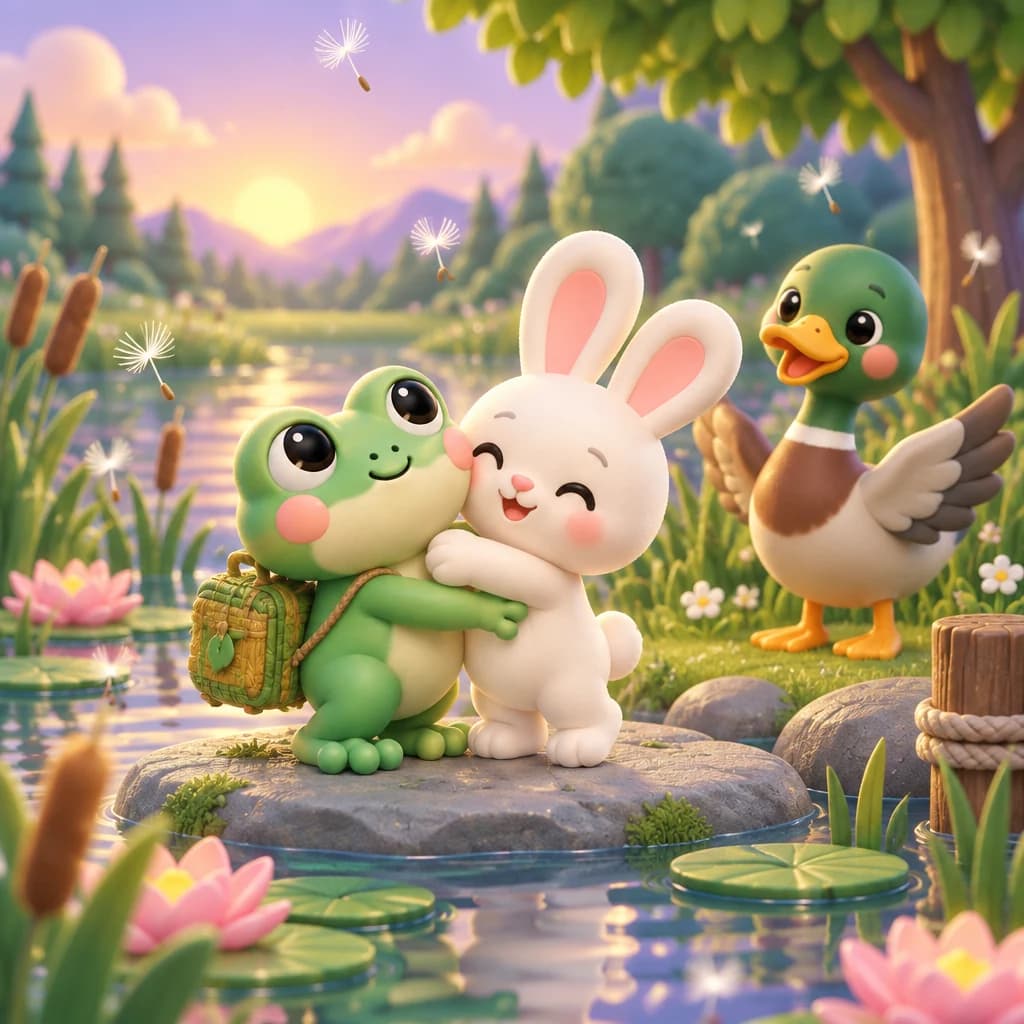
Hoppy’s Summer Without Croaky
Ages 6–89 min read
Croaky and the Snowball Fib
Ages 6–89 min read
Young children feel everything at full volume and have very few words for it. Stories about feelings give them those words in a safe way. When a hedgehog stamps his foot or a bear feels something “prickly and sour” in his tummy, a child recognizes it and, often, says so out loud for the first time.
What these stories offer
Each story picks one feeling and follows a character through it. There is no lecture and nobody is “bad” for feeling angry, shy or jealous. A friend helps, a small trick is tried, and the feeling gets smaller. That gives you something to talk about afterwards: “Did you ever feel like Spike?”
Stories to start with
- Spike the Hedgehog and the Angry Storm (ages 4–6): when Spike gets angry, a cloud appears over his head, and Rusty shows him how to breathe it away.
- When Rusty Felt Sad (ages 4–6): on a rainy day Hootie the owl teaches Rusty that sadness is needed too.
- Croaky Puffs Up Like a Balloon (ages 2–4, about 3 minutes): a short, funny story for little ones who are in a huff.
- Toby and the Red Ball (ages 4–6): what is that prickly feeling when a friend has something you want?
- The Bunny Who Was Afraid to Speak Up (ages 4–6): shy Hoppy has to tell a story in front of everyone.
- Spike and the Prickly Words (ages 6–8): how do you say sorry after words that hurt?
Using them at bedtime
Evening is often when the day’s feelings finally come out. Read a story about the feeling your child had today, then ask one open question and leave room for silence. Avoid quizzing. If your child is facing something specific, such as anger, you can also create a story where they are the hero, with their own name and a lesson you choose.
Common questions
At what age do stories about feelings help?
From about age 2, with short and playful stories. Older children, ages 6 to 8, enjoy longer stories about guilt, fibs and missing someone.
Which feelings do the stories cover?
Anger, sadness, envy, shyness, patience, missing a friend, making mistakes and saying sorry, all told through the forest friends.